Now Reading: How to make hand poured soy candles
-
01
How to make hand poured soy candles
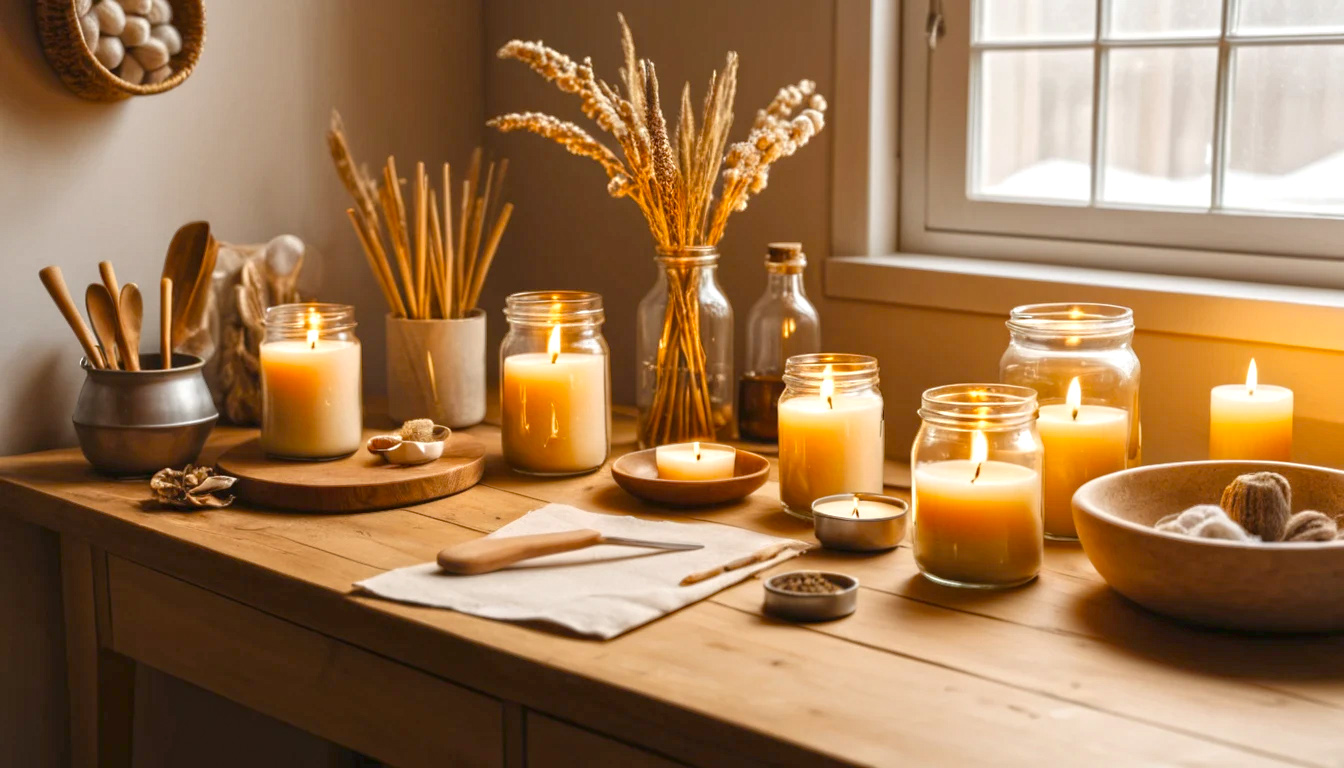

If you’ve ever wanted your home to smell like a cozy bakery married to a forest and then signed a non-toxic prenup, you’re in the right place. Hand poured soy candles are the delightful, clean-burning sidekicks your nose deserves, and the DIY project your inner craft goblin has been waiting for. They’re made from soy wax candles (aka soybean wax candles), which are renewable, fuss-free, and perfect for natural candles lovers who prefer their ambiance without mystery fumes. When they’re done right, they’re among the best soy candles for scent throw and long, even burns—no soot-snow on your shelves, thank you very much.
Why choose hand poured soy candles?
Soy gives a cleaner burn than paraffin and pairs beautifully with fragrance oils and essential oils, making natural candles nontoxic both elegant and sensible. With candles with soy wax, you also get a slower melt, meaning better scent diffusion and more time pretending you live inside a boutique. Natural soy candles tend to resist tunneling when wicked correctly, and they’re simple to customize for hand poured projects—labels, colors, and quirky jars all welcome. Bonus: if you’re chasing Eco-friendly vibes, natural soy wax candles are a more sustainable choice that still delivers excellent scent throw.
Materials and tools for hand poured soy candles
- Wax:
soybean wax candles start with quality flakes. Look for container-grade soy wax (often labeled “464” or similar). It’s reliable for pouring wax and helps resist frosting. - Wicks:
cotton or wood wicks sized to your jar diameter. The wrong wick is like shoes two sizes too small—technically wearable, absolutely not enjoyable. - Containers:
heat-safe jars or tins with smooth sides. Recyclable glass is classy; ceramic feels artisanal; tins travel well. - Fragrance:
candle-safe fragrance oils or essential oils. Aim for a recommended load (often 6–10%) for hand poured scented candles. - Tools:
double boiler or wax melter, thermometer, wick stickers, wick centering tool, pouring pitcher, scale, and heat-resistant surface. A candle warmer is handy later for enjoying low-flame ambiance. - Extras:
colorants, labels, lid toppers, and your signature “i made this” grin.
Step-by-step: make hand poured soy candles
- Prep your jars:
clean and dry containers thoroughly. Attach wicks using stickers and center them with a holder. - Melt the soy wax:
use a double boiler for gentle heat. Avoid microwaves unless you enjoy chaotic splash plots. - Monitor temperature:
heat to about 70–75°c (158–167°f). Soy is polite, but it appreciates boundaries. - Cool before fragrance:
let wax cool to ~60–65°c (140–149°f). Add fragrance oils and stir for 2 full minutes to reduce separation. - Optional color:
add dye chips or liquid color, a drop at a time. Commit slowly—like picking a haircut. - Pouring wax:
pour slowly down the side of the jar to reduce bubbles. Keep the wick centered like a moral compass. - Set and cure:
let candles sit undisturbed. Trim wicks to ~6–7 mm. Cure for 3–7 days for optimal scent throw. - Test burn:
light and watch for even melt pool within 2–3 hours. Adjust wick size next batch if tunneling or mushrooming happens.
Pro tips, mistakes to avoid, and easy fixes
- Fragrance load:
don’t eyeball it. Weigh your fragrance based on wax weight for consistent, best soy candles results. - Temperature timing:
add fragrance at the right temp; too hot and you’ll lose notes, too cold and you’ll get separated. - Wick sizing:
undersized wick = tunneling; oversized wick = soot and mushrooming. Use manufacturer charts; test burns are your lighthouse. - Frosting and wet spots:
slow cooling helps. Warm your jars slightly before pour; it reduces adhesion issues. - Air bubbles:
pour slowly and tap the jar gently. If surface craters appear, use a heat gun to smooth the top once set. - Storage and curing:
cool, dark storage strengthens scent throw. Label your batch with date and fragrance details like a responsible candle scientist.
How to use hand poured soy candles
- First burn matters:
let the melt pool reach the edges on the first burn (usually 2–3 hours). It’s a loyalty pact against tunneling. - Trim like a pro:
keep wicks trimmed to ~6 mm before every burn for a clean flame and less soot. - Room-by-room strategy:
small rooms: herbal or citrus; living rooms: gourmand or warm woods; bathrooms: mint or eucalyptus. A candle warmer is great when you want scent without flame—perfect for long, scent-forward sessions. - Safety without lectures:
burn on heat-safe surfaces, away from drafts, pets, and curtains that think they’re dancers.
Design alternatives and fun varieties
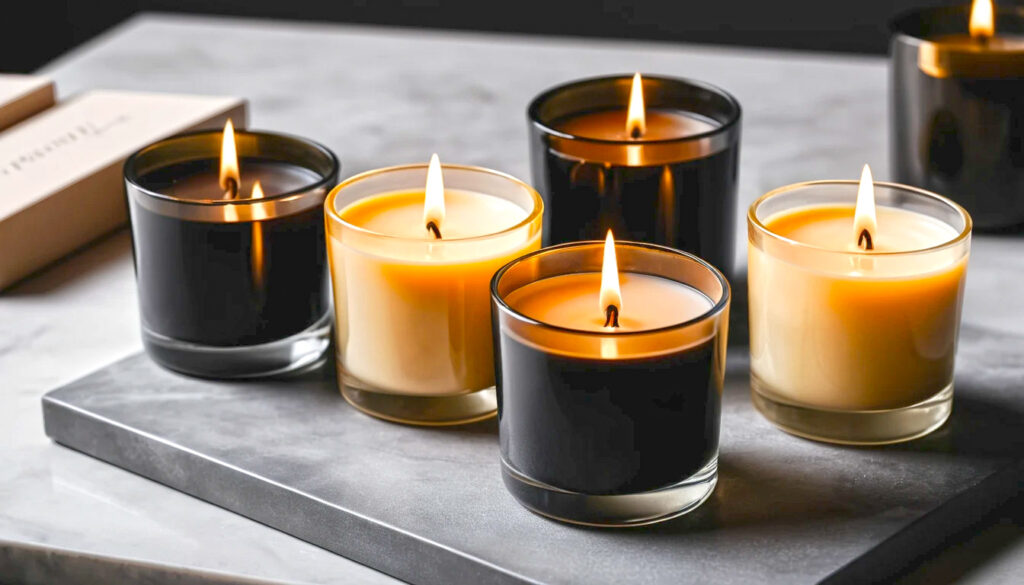
- Minimalist jars:
matte black or frosted glass with clean labels—modern apartment chic. - Rustic tins:
gold or brushed metal tins scream weekend cabin without the mosquitoes. - Wood wicks:
soft crackle equals fireplace cosplay. - Layered scents:
two or three layers—think vanilla bean + smoked cedar + orange zest for candles hand poured with personality. - Seasonal spins:
Coastal salt air, Appalachian spruce, Midwest apple orchard—hand poured collections that tell a place-based story.
And yes, you can make natural candles nontoxic, cozy, and clever without turning your kitchen into a chemistry lab. That’s the beauty of natural soy candles.
My real-life candle saga (less epic than it sounds)
The first time I tried hand poured soy candles, i over fragrances like an enthusiastic perfume counter. The result? A candle that smelled like three bakeries arguing. I learned to measure carefully, pour calmly, and respect curing time. Now my soy wax candles throw just right, burn evenly, and look polished enough that guests ask where I “bought them.” I smile, say “hand poured,” and pretend i didn’t spill wax on the oven mitt last week.
Quick recap you need
- Eco and clean: natural soy wax candles for a gentler, steadier burn.
- Materials matter: good wax, right wick, proper temps.
- Process counts: melt, cool, scent, pour, cure, test.
- Use smartly: trim wicks, first-burn full melt pool, consider a candle warmer.
- Flavor the vibes: hand poured scented candles in layered, seasonal, or minimalist designs.
Whether you’re crafting candles with soy wax for gifts, a small shop, or your own mood lighting empire, soybean wax candles make it easy to create beautiful, natural candles that smell like intentions met.